

Social and Pragmatic Language Therapy for Children
¡Proveemos terapia del habla y del lenguaje bilingüe!
We provide bilingual speech and language therapy!
When Social Communication Feels Difficult
Social and pragmatic language skills help children use and understand language during interactions with other people. Pragmatic language refers to how we use language in social situations, such as knowing how much information to share, how to respond to others, or how communication may change depending on the situation.
Social and pragmatic language therapy focuses on practical communication skills based on your child’s strengths, needs, and daily experiences.
How Therapy Can Support Social and Pragmatic Language Skills
Pediatric therapy can support the communication, interaction, and participation skills children use with other people. Therapy addresses areas based on your child’s strengths, needs, goals, and the situations where additional support may help.
Therapy may support skills such as:
Starting, joining, and maintaining interactions
Understanding conversational cues and context
Expressing wants, needs, and ideas
Giving enough information for others to understand
Repairing misunderstandings when communication breaks down
Adjusting communication for different people or situations
Participating in shared activities and routines
Using communication skills across different settings
What Can Social Communication Therapy Look Like?
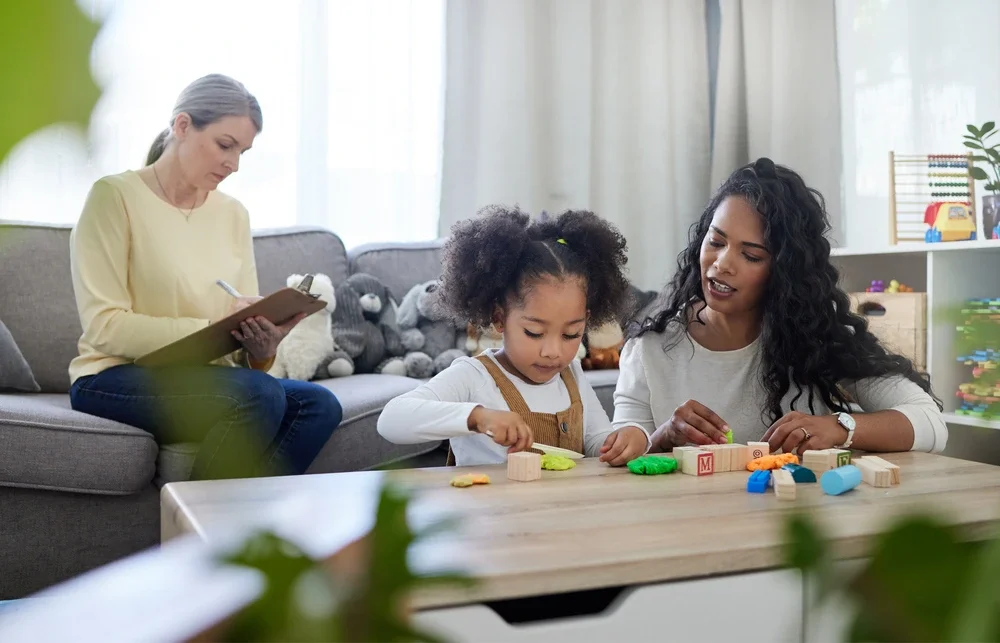
Depending on your child’s age, needs, and goals, therapy may use play, games, familiar routines, or other age-appropriate activities to practice communication and interaction skills. A therapist can observe how your child participates and communicates, identify areas where additional support may help, and develop goals connected to situations your child encounters at home, school, or during play.
Frequently Asked Questions About Social and Pragmatic Language Therapy
-
You may notice that your child communicates comfortably in some situations but has more difficulty knowing what to say, responding to others, or keeping an interaction going. These observations do not point to one specific diagnosis, but an evaluation can help clarify your child’s communication strengths and support needs.
-
Yes. A child may use a wide vocabulary or speak in complete sentences and still have difficulty joining a conversation, staying on topic, explaining an idea clearly, or adjusting communication in different situations.
-
Yes. A child may communicate comfortably with familiar people or in predictable settings but need more support in new, busy, or less familiar situations. Looking at communication across different settings can help a therapist better understand where support may be useful.
-
Parents can create communication opportunities during activities their child already enjoys, give them time to respond, and help clarify misunderstandings when they happen. Your child’s therapist can also suggest strategies that match the specific skills they are working on.
GET STARTED
Ready to Talk With a Pediatric Therapist?
If you have questions about your child’s social communication skills, contact Children’s Therapy Services of Colorado.
Our team can help you understand what type of evaluation or support may be a good next step.